The Writer
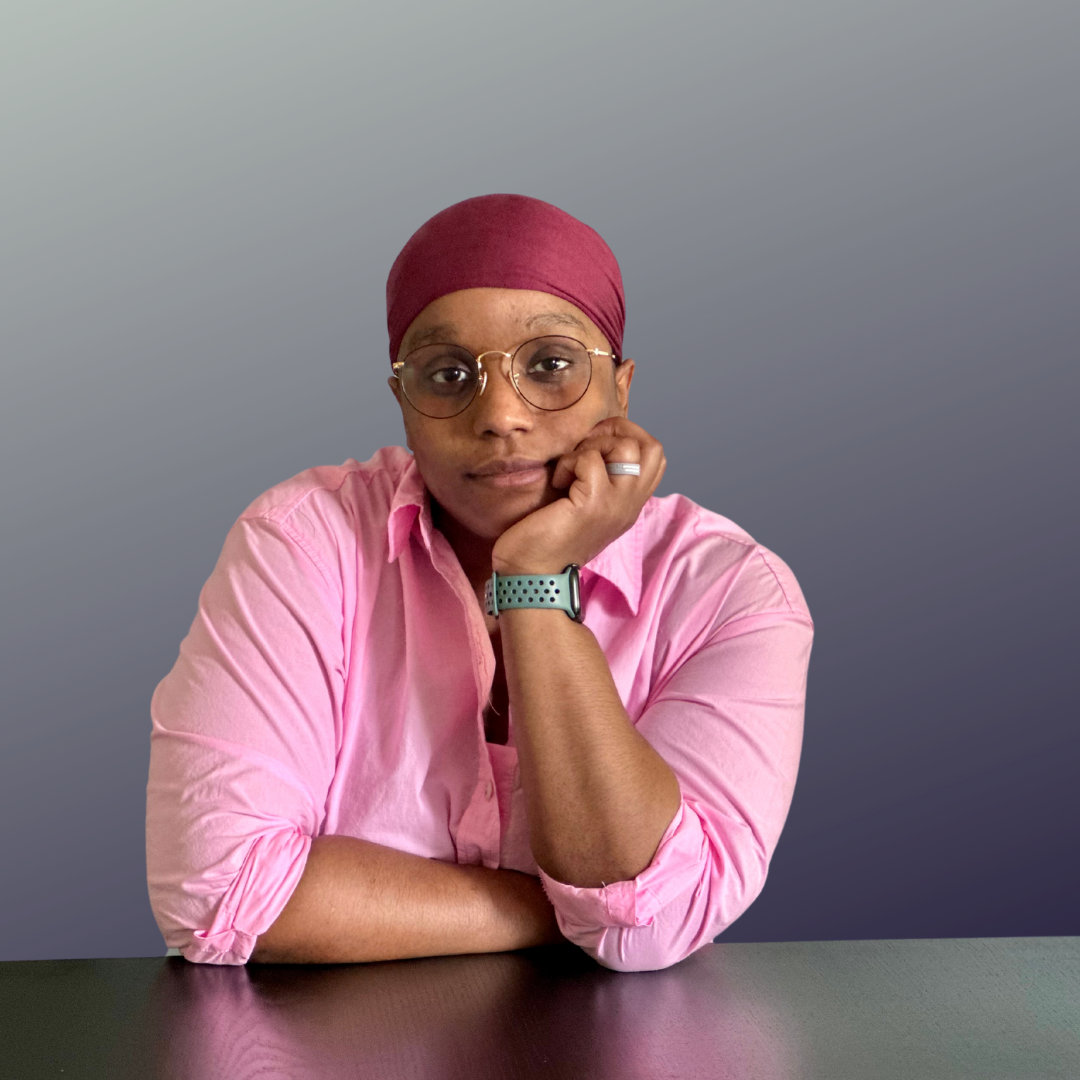
My formative years began in Haiti. A country rich in culture, texture, and deeply rooted in tradition. When I learned to write, writing became my therapy. I used it to ask the questions I never could have of the adults around me and to capture the answers when they came. I popped words like they were pills and overdosed on the stories they formed.
When I first recognized my culture in books, I grew weary of how one-dimensional it all seemed. We do not only exist as a poor, once-enslaved nation practicing voodoo. We also exist as a country that fought for our freedom, earnestly seeking God, full of life, vigor, and color. I intend to capture that in my stories—in all the ordinary moments that get overlooked.
I hold a Master's degree in Education and have spent most of my career in classrooms, both of which taught me that people learn best through story. I publish weekly at Ordinary Witness and have work currently under consideration at literary journals. I've been doing this long enough to know what a piece needs, and what it's still missing.
I hope readers find not only something in the quality of my prose but in the history woven through it. Flash fiction rooted in real life is where I live on the page—somewhere between memory and imagination, which is to say, somewhere close to the truth.
I write to teach as much as I write to bear witness.
The Work
My stories live on Substack under the name Ordinary Witness. I publish weekly. I always start my stories with something true and imagine the rest. If you want to know how I think about prose, that's the place to look.
"The evening became dusk, and our versions of events filled up the space between us."
— Dora Acosta